A flat tire, dead battery, or minor scrape can interrupt any drive. A basic emergency kit won't solve every problem, but it can help you find the right supplies quickly and make a safer plan for what to do next. Whether you're commuting across town or heading out on a longer trip, build a kit around your vehicle, route, passengers, and the season.
Start with the essentials below, store them securely, and check them regularly. You don't need to buy everything at once; a well-maintained kit with supplies you know how to use is more useful than a crowded trunk of forgotten gear.
What to include in a car emergency kit
1. Tire inflator and pressure gauge
A pressure gauge helps you check your tires against the pressure recommended for your vehicle. A compatible portable inflator may help when a tire is simply low on air. Keep its instructions with it and check its power source before long drives. If a tire is visibly damaged, losing pressure quickly, or unsafe to drive on, pull over somewhere safe and get professional help.
2. First aid kit
A first aid kit keeps basic supplies together for minor cuts and scrapes. RideWithChuck’s 210-piece first aid kit lists bandages, dressings, tape, scissors, tweezers, and an emergency blanket among its contents. Check the product listing and the kit itself before relying on a particular item; replace supplies as they are used or expire.
Store your kit where a driver or passenger can find it quickly without unpacking the entire trunk. Let anyone who regularly uses the car know where it is. A first aid kit does not replace medical care: for serious injury or an immediate danger, call emergency services.
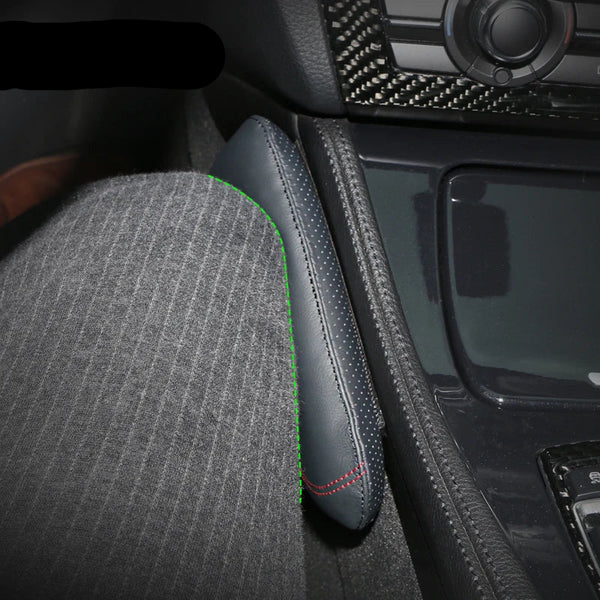
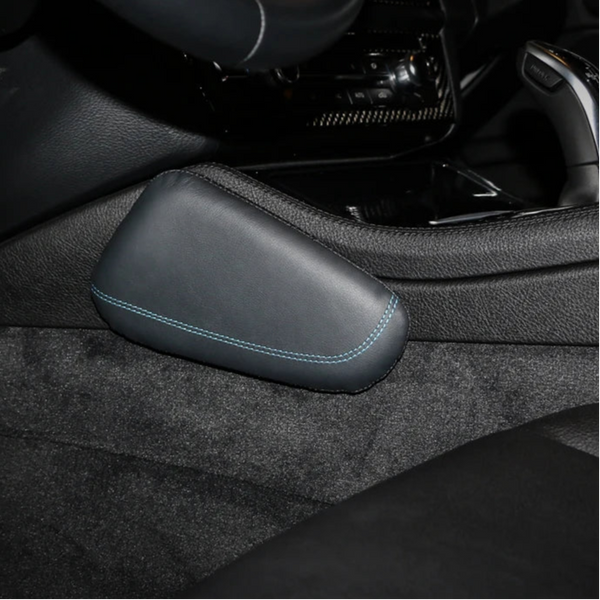
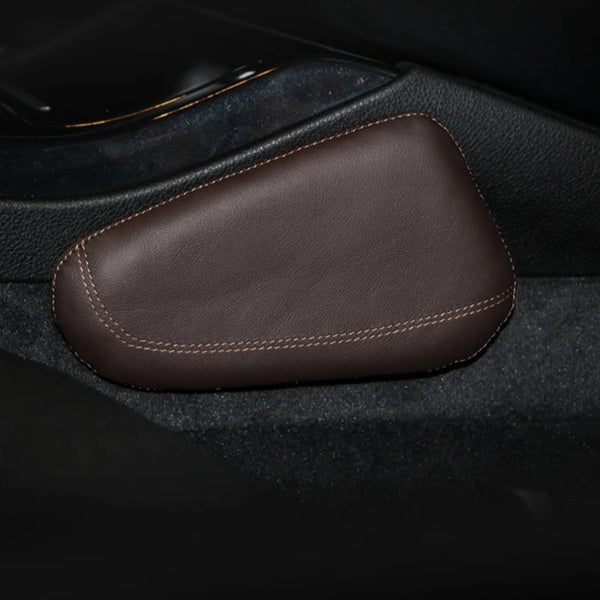
3. Car seat gap fillers
Small items can disappear between the seat and console at the worst moment. Gap fillers can help prevent that everyday distraction, but they are not a substitute for pulling over before retrieving a phone, wallet, or other dropped item. Make sure any accessory fits without interfering with seat movement, seat belts, or vehicle controls.
4. Backseat organizer
An organizer gives wipes, charging cables, snacks, and other frequently used items a consistent home. Choose a secure place for it, and avoid loading it with heavy or sharp objects that could shift during a sudden stop. Put emergency items you may need outside the car somewhere accessible once you have safely parked.
5. Flashlight and extra batteries
A flashlight can help you read a label, find an item in the car, or see a problem after dark. Test it occasionally and carry compatible spare batteries if it uses replaceable ones. A hands-free light can also be useful, but avoid working beside traffic when conditions are unsafe.
6. Jumper cables or jump starter
Battery-starting equipment can be useful if your vehicle won't start. Match the equipment to your vehicle and follow both its instructions and your owner's manual. A jump starter also needs to be charged and checked periodically. If you aren't confident using it, or the location is unsafe, call roadside assistance instead.
7. Basic tools and vehicle information
A tire pressure gauge, a few appropriate tools, your owner's manual, and roadside-assistance details can help you decide on the next step. You might also keep a charging cable and a written emergency contact in case your phone battery runs low. Avoid attempting repairs that require training or put you near moving traffic.
8. Water and weather-appropriate supplies
Consider drinking water, warm layers, and a blanket for longer drives, especially when the weather could change. Rotate items that have storage or expiration limits, and adjust the kit for hot or cold conditions. If you're traveling with children, pets, or someone with specific needs, pack appropriate supplies for them separately.
Where should you store your car emergency kit?
Keep supplies together in a bag or container that won't roll around. The best spot depends on your vehicle: choose somewhere secure, dry, and accessible when the car is safely stopped. Don't block pedals, seat belts, airbags, or visibility. You can separate small everyday items in the cabin from larger roadside equipment in the trunk, as long as everyone who drives the car knows where to look.
Check it before a road trip
Before a longer drive, take a few minutes to test the flashlight, check the jump starter's charge, review first aid supplies, and replace used or expired items. Check tire pressure and your vehicle's condition too; preparation starts before you put the kit in the car. Save roadside-assistance information where you can reach it even if your phone has no signal or power.
If something happens on the road
First focus on getting to a safe location, following local road rules, and calling the right help. Use the supplies only when it is safe and appropriate to do so. A kit is there to support your response to smaller problems, not to encourage risky roadside repairs or delay emergency care.
Ready to build your kit?
Start with the supplies that fit your car and travel habits, then keep them maintained. Explore the 210-piece first aid kit for basic first aid supplies, or shop all products for more car-care ideas.