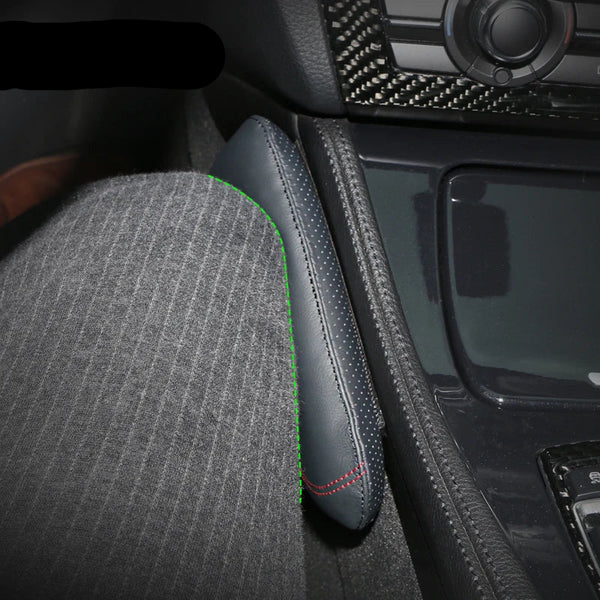
Drivers put miles on their bodies just like their cars. Long hours sitting, gripping the wheel, dealing with road vibration, and constantly working the pedals can create real stress on your knees, back, wrists, and hips. Whether you’re a commuter, delivery driver, trucker, or someone who spends long days on your feet, joint discomfort can creep in fast. At RidewithChuck, we care about the lifestyle behind the wheel and that includes driver wellness.
Recently, a surprising piece of research caught our attention, and it may explain why so many drivers struggle with joint stiffness and discomfort. A study published in the Nutrition Journal suggests that a common nutrient deficiency may be linked to joint pain and stiffness in older adults.
Now, to be clear: If you’re experiencing persistent joint pain, it’s important to speak with a qualified healthcare professional who can evaluate your symptoms and provide guidance.
But the research itself is interesting and worth paying attention to. Most people don’t realize how serious nutrient deficiencies can be. Historically, deficiencies have caused:
• Scurvy in sailors
• Rickets in children
• Widespread health issues in communities lacking essential nutrients
So it’s not surprising that a deficiency could also affect joint comfort and mobility.
This new research suggests that one specific nutrient may play a role in how your joints feel, especially if you spend long hours driving or standing.
👉 Learn more about the nutrient linked to joint comfort here:
https://completejointcare.net/cb/
Affiliate disclosure: I may earn a commission if you purchase through this link, at no extra cost to you.
Why This Matters for Drivers
Driving puts unique stress on your joints:
1. Long Hours Sitting
Reduced circulation affects knees, hips, and lower back.
2. Constant Pedal Pressure
Your right foot is always working — gas, brake, repeat.
3. Steering‑Wheel Grip
Your wrists and elbows absorb vibration and tension.
4. Road Shock
Every bump and pothole sends impact through your body.
5. Poor Posture
Most drivers don’t sit in an ergonomic position.
If a nutrient deficiency is contributing to joint discomfort, supporting your body nutritionally could help you feel better on the road — and that’s worth exploring.
Simple Ways Drivers Can Support Joint Comfort
• Adjust your seat for proper posture
Better alignment reduces pressure on your joints.
• Take short breaks during long drives
Even a few minutes of stretching helps.
• Use supportive accessories
Lumbar cushions, steering‑wheel grips, and seat pads can reduce strain.
• Strengthen your core and legs
More muscle support = less joint pressure.
• Explore nutritional support
This is where the nutrient highlighted in the study becomes relevant.
Final Thoughts
Drivers deserve comfort, mobility, and confidence behind the wheel. If joint stiffness or discomfort has been slowing you down, it may be worth exploring whether a nutrient deficiency could be part of the issue — especially if you spend long hours driving or standing.
Your car needs maintenance.
Your joints do too.
👉 Explore the nutrient research and joint‑care option here:
https://completejointcare.net/cb/
Affiliate disclosure: I may earn a commission if you purchase through this link, at no extra cost to you.
Take care of your body — and the car that carries it. Your car should support the life you are building, on the road and off. Explore RideWithChuck accessories built for comfort on every drive. Ride smart, enjoy the road!